Vienna - The World Capital in the Heart of Europe
Geographical Location and
Significance
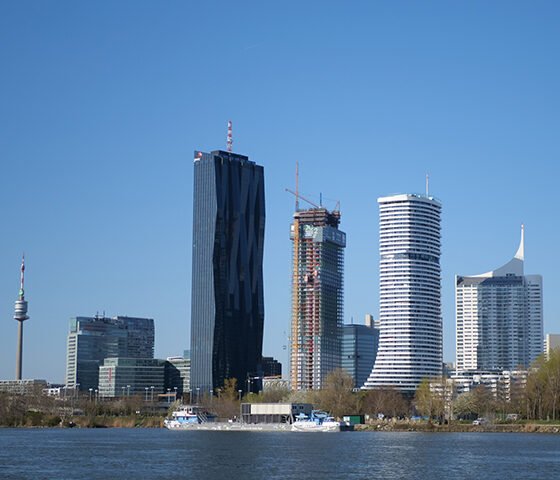
Vienna, the capital of Austria, is situated in the eastern part of the country along the Danube River. As one of Europe's most significant cities, its strategic location serves as a bridge between Eastern and Western Europe, making it a crucial economic, cultural, and political hub.
Often referred to as the "Gateway to Europe," Vienna symbolizes international cooperation and is home to numerous global organizations, including the United Nations (UN) and the International Atomic Energy Agency (IAEA).
Culture and History
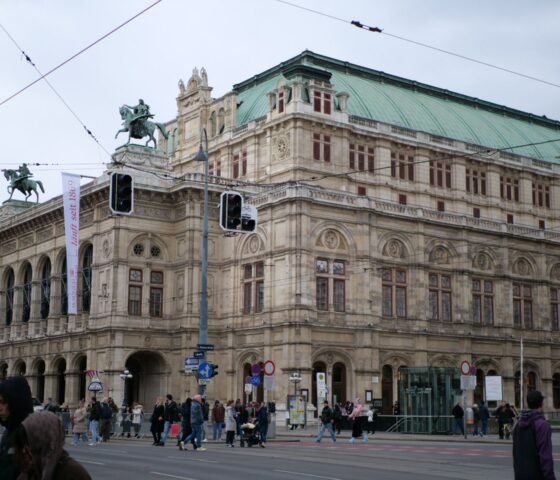
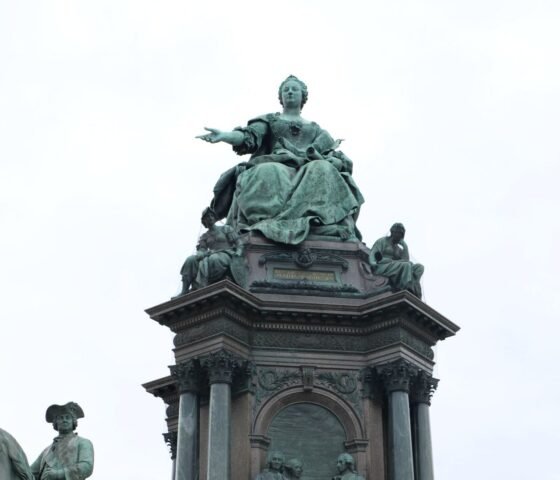
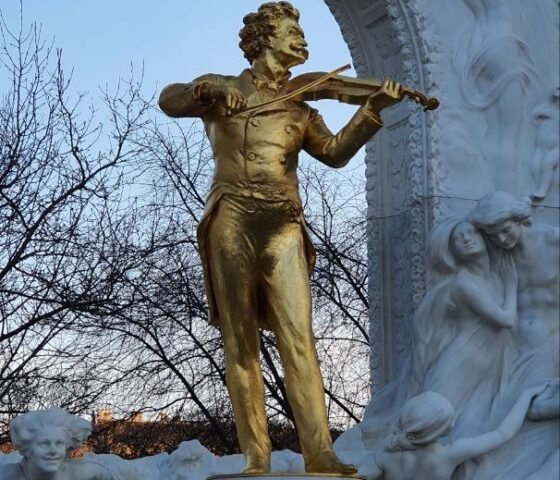
Vienna is a melting pot of European culture and history. For centuries, it was the heart of the Habsburg Empire, one of the most powerful dynasties in Europe. Empress Elisabeth of Austria-Hungary, known as "Sisi," remains an iconic figure, representing the grandeur and mythology of the monarchy. The city is also closely associated with legendary composers such as Wolfgang Amadeus Mozart, Ludwig van Beethoven, and Johann Strauss. In 2025, Vienna will celebrate the anniversary of Johann Strauss, the "Waltz King," whose timeless masterpiece, The Blue Danube Waltz, brought him worldwide fame. This deep-rooted musical heritage continues to shape Vienna's cultural identity today.
Tourism
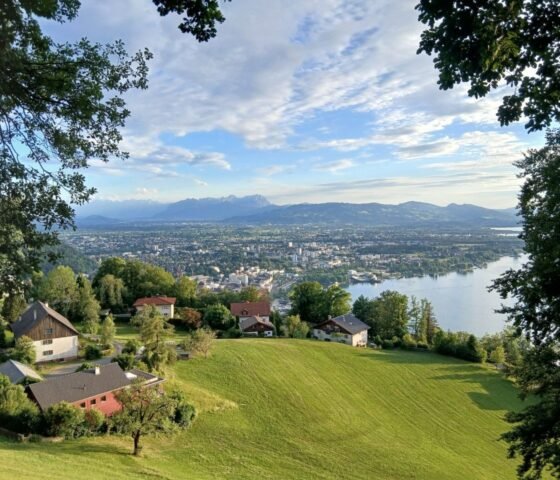
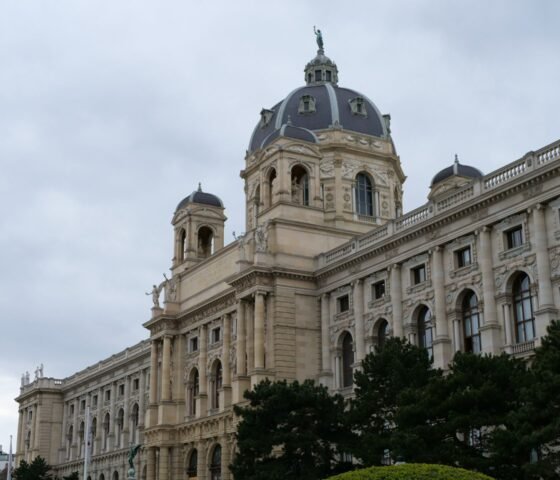
Vienna is one of the most visited cities in the world. Tourists flock to its historic city center, a UNESCO World Heritage Site, to admire landmarks such as St. Stephen's Cathedral, Schönbrunn Palace, Belvedere Palace, and the Hundertwasser House. The city also boasts modern architecture, world-class museums, and a lively nightlife. A visit to Vienna is incomplete without experiencing its legendary coffee houses, renowned as hubs of social and intellectual exchange. The city's culinary scene is equally enticing, with specialties such as Wiener Schnitzel, Sachertorte, and Heuriger (local wine taverns) offering an authentic taste of Austrian tradition.
Economy and Products
Beyond its cultural significance, Vienna is a major economic center, home to internationally recognized companies and products: Manner: This long-established brand is famous for its Manner Schnitten, crispy wafers filled with hazelnut cream. Mozartkugeln: These handmade chocolate pralines are a beloved Austrian delicacy and a popular souvenir. Wine from the Wachau: The picturesque Wachau Valley, a UNESCO World Heritage Site, is renowned for producing high-quality white wines, particularly Grüner Veltliner and Riesling. Dairy Products: Austrian dairies are known for their premium-quality dairy products, which are highly valued both nationally and internationally.
Political Importance
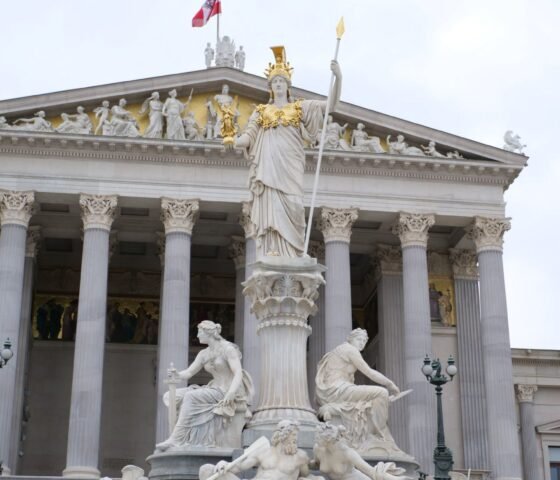
As the host city of the United Nations (UN) and numerous other international organizations, Vienna plays a pivotal role in global diplomacy. Its status as a hub for dialogue and cooperation further cements its reputation as a true "world capital."
Conclusion
Vienna seamlessly blends tradition with modernity, culture with commerce, and history with innovation. As a gateway to Europe and a global center of influence, it captivates both visitors and residents alike. Whether indulging in a Mozartkugel, strolling through the Wachau Valley, or attending a world-class cultural event, Vienna offers a wealth of experiences that showcase the richness of European heritage.
Summary
Vienna stands as a culturally vibrant, economically significant, and politically influential city in Europe. It is distinguished by its rich history, musical legacy, culinary excellence, and its role as a key player on the international stage.